

Why Being Michelle Matters: Disability, Incarceration, and the Power of Healing Through Art
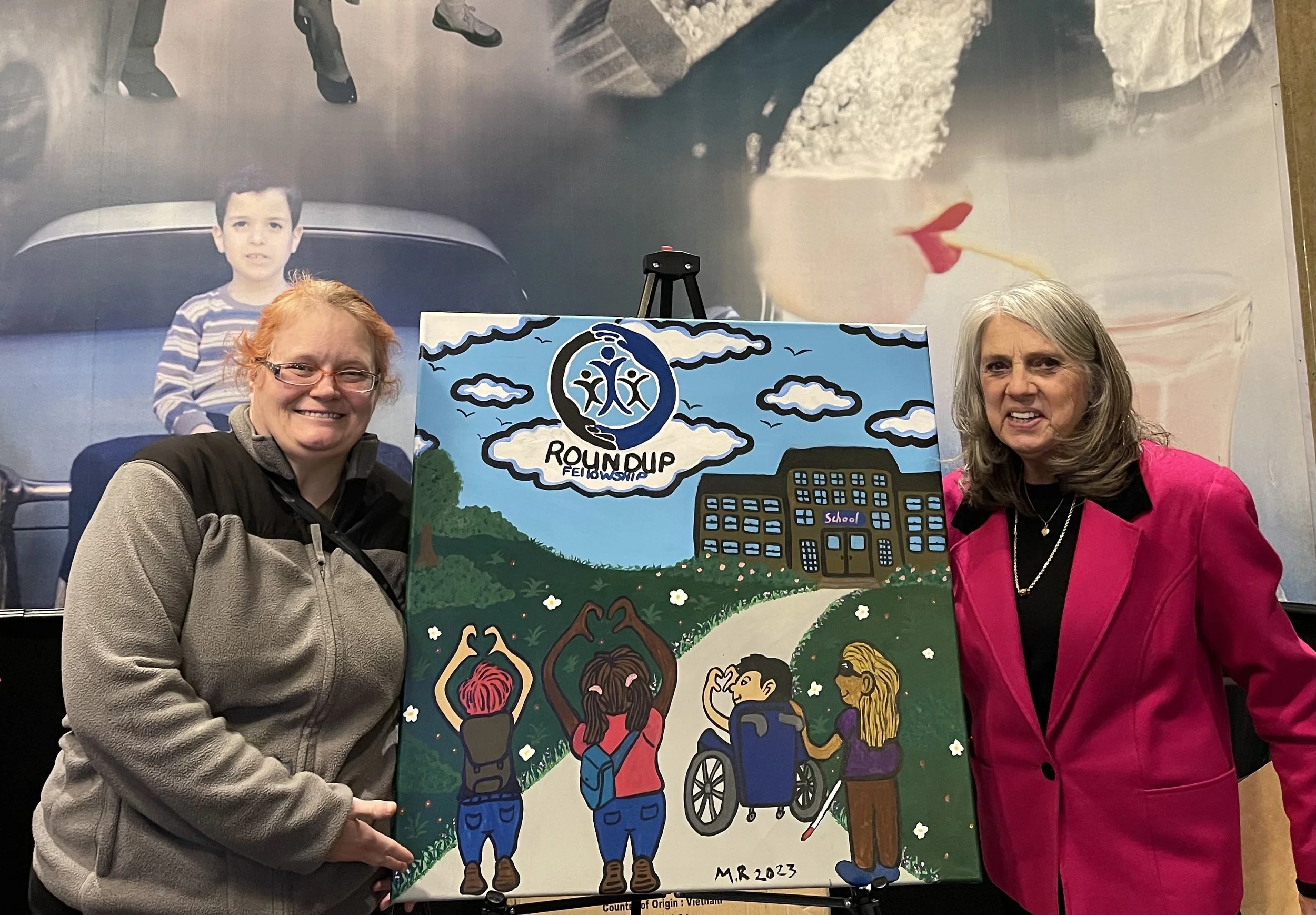
Michelle stands beside another woman next to a colorful painting representing inclusion and healing through art.
In recent years, conversations about incarceration have begun to acknowledge systemic injustice, yet Deaf and disabled people remain largely invisible within these narratives. Being Michelle exists to change that. The film centers the lived experience of a Deaf woman with autism who survived incarceration and abuse in a system that refused to accommodate her communication and disability needs. It is not only a story of survival, but of healing, accountability, and reclaiming one’s voice.
When Disability Is Ignored by the Justice System
For Deaf and disabled individuals, incarceration often magnifies existing vulnerabilities. Without access to interpreters, appropriate communication tools, or trauma-informed care, incarceration can become a site of profound harm rather than rehabilitation. Being Michelle documents how systemic failures—rather than individual wrongdoing alone—can alter the trajectory of a person’s life.
Michelle’s experiences reflect a broader truth: when institutions are not designed to support disabled people, those individuals are often punished for their disability rather than protected. The film does not sensationalize this harm; instead, it carefully reveals how neglect, isolation, and misunderstanding compound trauma.
A Story Told on Michelle’s Own Terms
What distinguishes Being Michelle is its commitment to letting Michelle tell her story in ways that feel authentic and safe to her. As a Deaf autistic woman, Michelle communicates through artwork as much as through language. Her art becomes a central narrative tool in the film—offering visual testimony of the trauma she survived and the emotional landscape of her healing.
Rather than interpreting her experiences for her, the film creates space for Michelle’s self-expression. This approach challenges traditional documentary storytelling and reframes art not as illustration, but as language.
The Power of Relationship and Support
At the heart of Being Michelle is the relationship between Michelle and Kim Law, a blind volunteer life coach who teaches classes to people in prison. Their connection becomes a turning point. Through patience, trust, and shared vulnerability, Kim supports Michelle as she begins to confront her past and recognize her own strength.
The film emphasizes that healing does not happen in isolation. It requires community, accountability, and relationships built on respect. Being Michelle shows what becomes possible when support replaces punishment and listening replaces judgment.
Why This Film Matters Now
As conversations around prison reform, disability justice, and trauma-informed care gain momentum, Being Michelleoffers a deeply personal lens into these urgent issues. The film asks viewers to consider who is left out of reform conversations—and at what cost.
This is not a film about pity. It is about dignity. It challenges audiences to see Deaf and disabled individuals not as problems to be managed, but as people deserving of autonomy, safety, and respect.
Educational and Community Impact
Being Michelle is increasingly used in educational, advocacy, and community settings because it opens meaningful dialogue across disciplines. Educators, students, advocates, and organizations use the film to explore topics such as:
Disability justice and access
Incarceration and systemic harm
Trauma and recovery
Art as communication and healing
Ethical storytelling and representation
Screenings often lead to conversations that extend far beyond the film itself, encouraging audiences to reflect on responsibility, reform, and compassion.
Art as a Pathway to Healing
Michelle’s artwork is not simply a reflection of her trauma—it is part of her recovery. Throughout the film, art functions as a bridge between past and present, pain and understanding. It allows Michelle to process experiences that words alone cannot hold.
By centering art as a legitimate form of communication and healing, Being Michelle expands how audiences understand both disability and recovery. It reminds us that healing is not linear and that expression takes many forms.
A Story of Redemption and Truth
Ultimately, Being Michelle is a story of redemption—not because the past is erased, but because it is finally acknowledged. The film shows the courage it takes to face the truth and the power that comes from being believed.
It is a testament to resilience, but also a call to action: to build systems that support rather than punish, to listen more carefully, and to create spaces where disabled voices are not only included, but centered.
Frequently Asked Questions
Is Being Michelle available for educational or community screenings?
Yes. The film is available through educational licenses, impact screenings, and hosted community screenings for schools, organizations, and institutions.
What topics does Being Michelle explore?
The film explores disability justice, incarceration, trauma, healing, art as communication, and the lived experience of Deaf and autistic individuals.
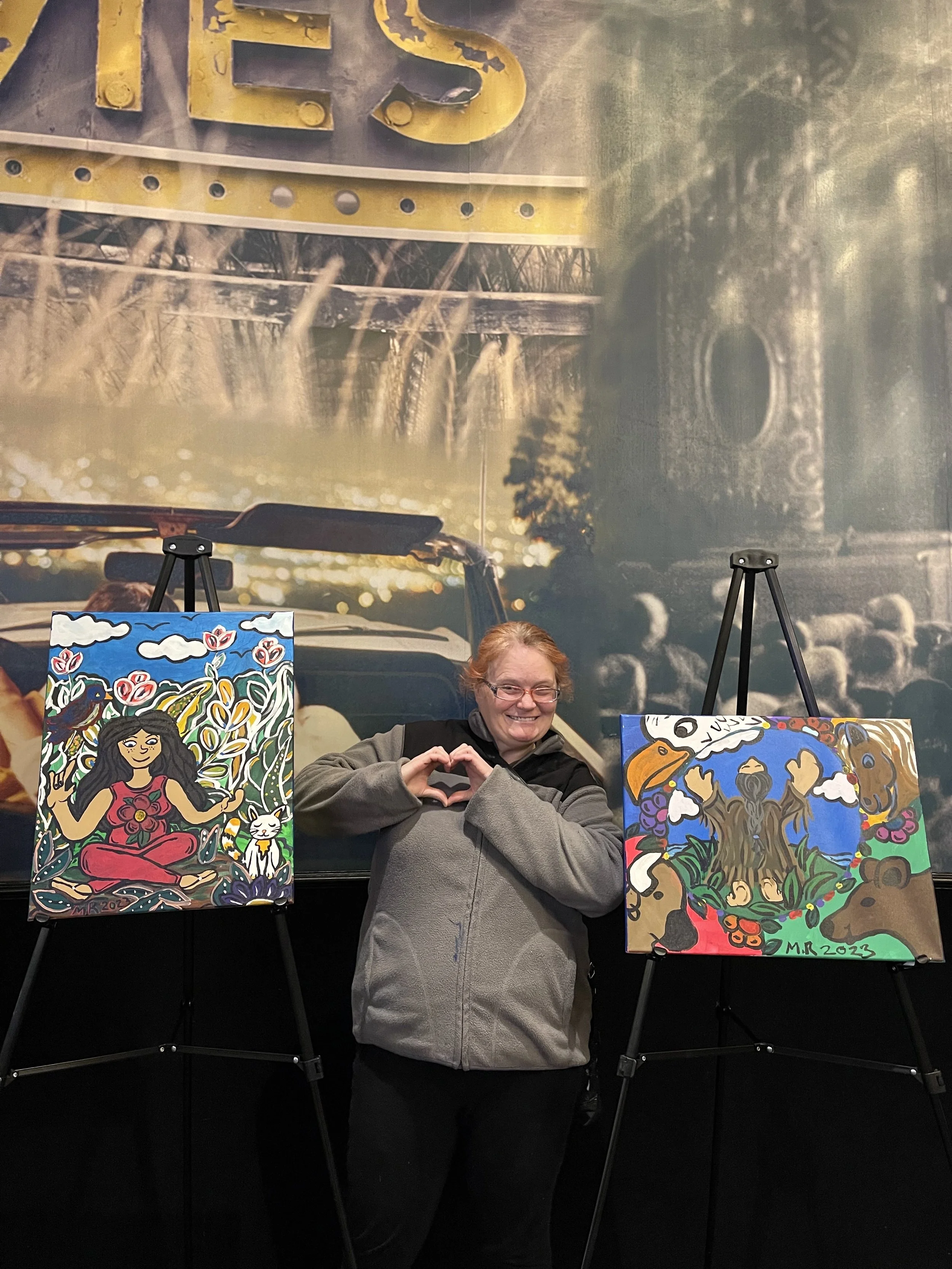
Michelle with Artwork – Being Michelle Documentary
